15 November 2026
Advanced Roof Repair Techniques for Complex Valleys
Presented by @riverjcdc195
Roof valleys are the channels where two sloping roof planes meet, and they carry far more water than any other part of your roof. In Hawkesbury, where heavy seasonal rain, humidity, falling leaves and strong summer sun all take a toll, valleys are often the first place a leak appears. When a roof has multiple intersecting planes, dormers, or additions, the valleys become more complex and the repair work becomes more specialized. This guide explains how advanced roof repair works in these areas, what to look for, and when to call a professional.
Why Complex Valleys Fail
A single valley can drain the runoff from hundreds of square feet of roofing. Water moves quickly and concentrates in a narrow channel, so even a small flaw in the flashing or underlayment can turn into a persistent leak. Complex valleys, such as those where three roof planes meet, where a dormer ties into a main roof, or where roof pitches differ, create turbulent water flow that can push water sideways and under shingles.
Common Causes of Valley Damage
- Corroded or punctured metal flashing: Older galvanized steel rusts, and nails driven too close to the valley centerline can create leak points.
- Debris buildup: Leaves, seed pods, and branches dam water and force it under the shingles.
- Improper shingle cuts: Poorly trimmed shingles can leave exposed edges or channel water beneath the roof covering.
- Failed underlayment: The waterproof layer beneath the surface may deteriorate or have been installed without enough overlap.
- Thermal movement: Repeated expansion and contraction loosens fasteners and cracks sealants over time.
- Ice, moisture, and algae growth: Persistent dampness speeds up wear in shaded valleys.
Inspecting a Valley Before Repair
A thorough inspection comes before any repair. A certified roofer will check the valley from above and, where possible, from inside the attic. Signs of trouble include water stains on ceilings that follow the valley line, damp insulation, daylight visible through roof decking, granule loss in the valley channel, and lifted or curling shingle edges. Checking the attic after rain can reveal slow leaks that are not yet visible below.
A professional will also look at how the valley was originally built. There are three main valley styles, and the right repair depends on which one you have.
Open Valleys
Open valleys expose a strip of metal flashing down the center, with shingles trimmed back on each side. They shed water and debris efficiently, but the metal must be in good condition. Repairs often involve replacing the flashing with a wider, heavier-gauge product and re-cutting the shingle edges to maintain a consistent gap.
Closed-Cut Valleys
In a closed-cut valley, shingles from one side run across the valley and the other side is trimmed back to a clean line. This looks neat but relies heavily on the underlayment and the quality of the shingle installation. Repairs usually mean lifting the shingles, inspecting the membrane beneath, and rebuilding with correct overlaps.

Woven Valleys
Woven valleys interlace shingles from both roof planes. They are common with asphalt shingle replacement jobs, but they can trap debris and are less forgiving of poor workmanship, especially on low-slope sections. In complex valleys, many contractors now recommend converting a failing woven valley to an open or closed-cut design with a stronger underlayment.
Advanced Repair Techniques
Self-Adhering Waterproof Membranes
High-temperature self-adhering underlayment is one of the most effective upgrades for valley repair. Installed directly on the roof deck, it seals around fasteners and provides a secondary barrier if water gets past the surface. For complex valleys, installers typically apply a wide strip centered on the valley, then a second layer on top, with overlaps that direct water downhill.
Upgraded Metal Flashing
Modern valley flashing is available in aluminum, galvanized steel, stainless steel, and copper. Copper offers exceptional longevity and is often chosen for premium homes and heritage properties. W-shaped valley metal, which has a raised center rib, helps prevent water from rushing across the valley and up the opposite roof plane during heavy downpours. Where flashing meets dormers, walls, or chimneys, step flashing and counter flashing should be integrated so the valley connects to the rest of the roof system without gaps.
Proper Fastening
Nails should be placed well away from the valley centerline, and the metal should be secured with clips or fastened only along its outer edges. This lets the flashing move with temperature changes and avoids puncturing the main water channel.
Sealant Use and Limits
Roofing sealant has a place in valley repair, but it is a supplement, not a fix. Smearing sealant over a failed valley may stop a leak briefly, but it tends to crack and trap moisture. Reputable contractors use sealants at terminations and small overlaps while relying on correct layering for long-term protection.
Matching Materials on Different Roof Types
Valleys behave differently depending on roofing material:
- Asphalt shingles: Typically use open or closed-cut valleys with a self-adhering membrane underneath.
- Cedar shake replacement: Requires wider valleys and careful flashing because shakes are thicker and can hold moisture. Metal valley liners should be wide enough to keep debris from lodging under the shakes.
- Metal and tile roofs: Need purpose-made valley pans or custom-fabricated flashings sized for the roof profile.
- Commercial roofing: Low-slope and flat systems use membranes such as TPO, EPDM, or modified bitumen, with welded or torch-applied seams and tapered insulation to keep water moving toward drains.
Drainage and Gutter Connections
Valley repairs only perform well if water has somewhere to go. At the bottom of a valley, a large volume of water pours into the gutter and can overshoot it or overwhelm a small downpipe. Advanced gutter solutions include larger gutter profiles, valley splash guards or diverters, extra downpipes, and reinforced hangers. Whether your gutters are steel, aluminum, or copper, regular checks matter. Aluminum gutter repair may involve resealing seams or replacing sagging sections, while copper gutter maintenance focuses on soldered joints and keeping the system clear.
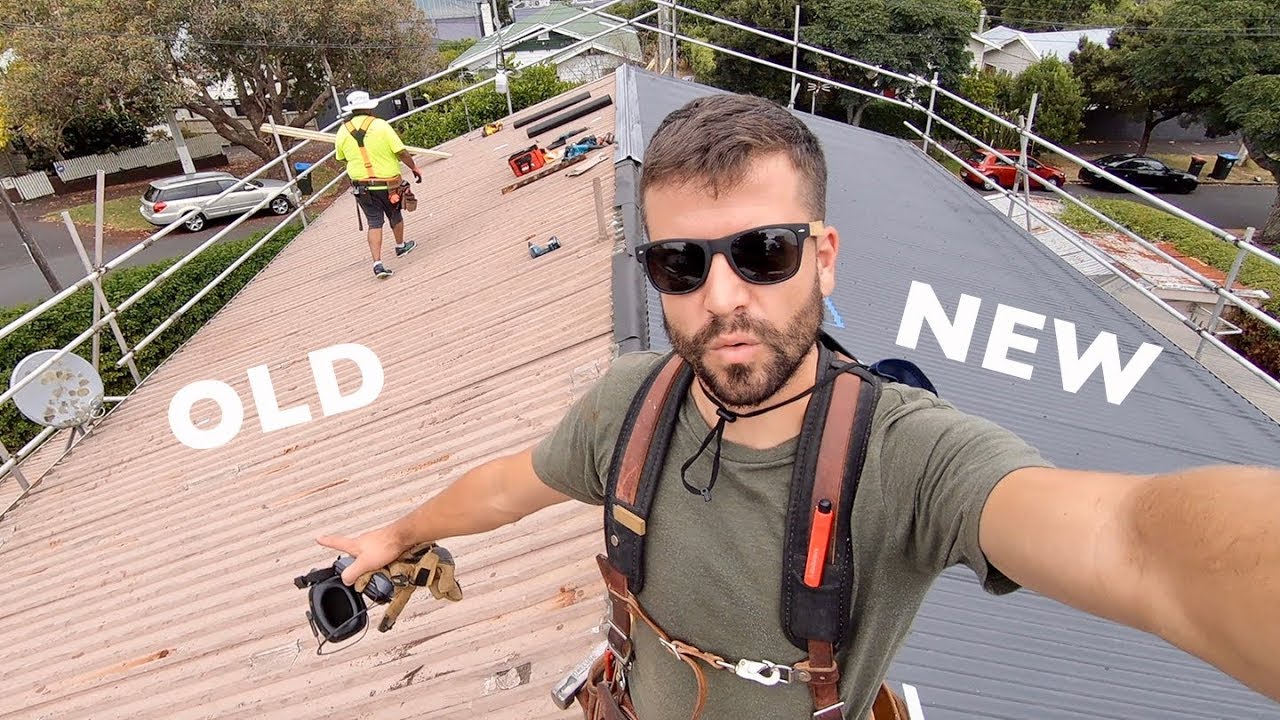
Prompt damaged gutter repair prevents water from backing up under the roof edge and rotting fascia boards. Property owners with multi-building sites benefit from commercial gutter services and comprehensive drainage solutions that treat the roof, gutters, downpipes, and ground drainage as one https://roofinghawkesbury.com.au/replacement-installation-reroofing/ connected system.
Ventilation and Attic Considerations
Valley problems are sometimes made worse by poor attic conditions. Trapped heat and humidity speed up shingle aging and encourage condensation on the underside of the roof deck. Good attic ventilation installation balances intake vents at the eaves with exhaust vents near the ridge. If your existing system is failing, attic ventilation repair may include clearing blocked soffit vents, replacing damaged ridge vents, or adding powered or passive vents where airflow is weak.
Advanced ventilation techniques and customized roof ventilation are particularly useful on complex roofs where several planes interrupt airflow. A comprehensive roof venting plan can support attic heat reduction and effective attic cooling methods, which in turn lowers cooling costs and extends the life of the roofing. In Hawkesbury's warm summers, this is a practical way to protect both the roof and the home's comfort.
When Repair Is Not Enough
Some valleys are too far gone to repair. If the decking is soft or rotted, if multiple valleys leak, or if the roof is near the end of its service life, complete roofing replacement may be the more economical choice. A comprehensive roof replacement or comprehensive roof reroofing allows the installer to rebuild every valley with new decking where needed, modern underlayment, and properly integrated flashing. A complete roof installation carried out by a certified roof reroofing team also lets you upgrade ventilation, gutters, and drainage at the same time.
Related Exterior Care That Protects the Roof
Roof valleys do not work in isolation. Where roofs meet brick walls, chimneys, or parapets, moisture can enter through masonry as easily as through flashing. A comprehensive wall repair approach looks at the whole building envelope.
Brick and Masonry Details
- Brick joint repair and mortar replacement: Crumbling joints near roof intersections let water into walls. Brick repointing services and brick mortar restoration remove failed mortar and replace it with a compatible mix.
- Brick facade repair and deterioration repair: Spalling or cracked bricks should be replaced to maintain brick structural integrity.
- Expansion joint repair: Brick expansion joint repair accommodates movement and prevents cracking.
- Weatherproofing and erosion control: Brick wall weatherproofing and brick erosion control help improve brick durability enhancement and support brick thermal insulation performance.
- Larger projects: Brick structural repair and brick wall reconstruction may be needed where walls have shifted or been damaged by long-term water exposure.
Regular brick wall maintenance and comprehensive sealing solutions help keep water out. Surface protection also matters: advanced painting techniques, comprehensive painting sealing, and complete painting sealing protect trim, fascia, and masonry from moisture. For businesses, commercial painting sealing and commercial roof solutions can be coordinated so exterior maintenance is handled in one visit.
Choosing a Roofer in Hawkesbury
Valley work demands skill, so selecting the right contractor is important. Look for a team offering certified roof repair, comprehensive roofing services, and comprehensive roof repair with clear written scopes. Questions to ask include:
- Are you licensed and insured for work in the Hawkesbury area?
- Which valley style do you recommend for my roof, and why?
- What underlayment and flashing materials will you use?
- Will you inspect the attic and decking, and how are damaged boards handled?
- What warranties apply to materials and workmanship?
- Do you offer comprehensive roof maintenance plans for ongoing inspections?
For businesses, commercial roofing and commercial roof repair specialists understand low-slope drainage, membrane welding, and the minimal-disruption scheduling that commercial properties need.
Maintenance Tips to Extend Valley Life
Simple habits can make a major difference. Clear valleys and gutters of debris at least twice a year, and more often if trees overhang the roof. Trim branches back from the roofline. After storms, look for displaced shingles or bent flashing from the ground or with binoculars, and avoid walking on a wet or steep roof. Schedule a professional inspection every one to two years, and after any major weather event. Early attention to a small valley problem is almost always cheaper than repairing the water damage that follows.
Final Thoughts
Complex roof valleys demand careful inspection, quality materials, and precise installation. With self-adhering underlayment, upgraded flashing, well-matched drainage, and good attic ventilation, a repaired valley can protect your Hawkesbury home or business for many years. If you notice stains, leaks, or worn flashing, have a qualified professional assess the roof sooner rather than later, and consider the whole system, from roof and gutters to walls and ventilation, for lasting results into 2027 and beyond.
Top Hawkesbury Roofer
Bells Line of Rd, Kurmond NSW 2757, Australia
(02) 4503 4545